Upgrade Your Home With Professional Structural Design Assistance
Enhancing a home through expert architectural solutions involves more than just aesthetics. It demands a deep comprehension of practical design principles and local building codes. Collaborating with an experienced architect can resolve common challenges while improving property worth. The process is organized and comprehensive, ensuring that every detail aligns with the homeowner's goals. Yet, many homeowners struggle to maneuver through this journey successfully. What steps can they take to establish a successful collaboration?
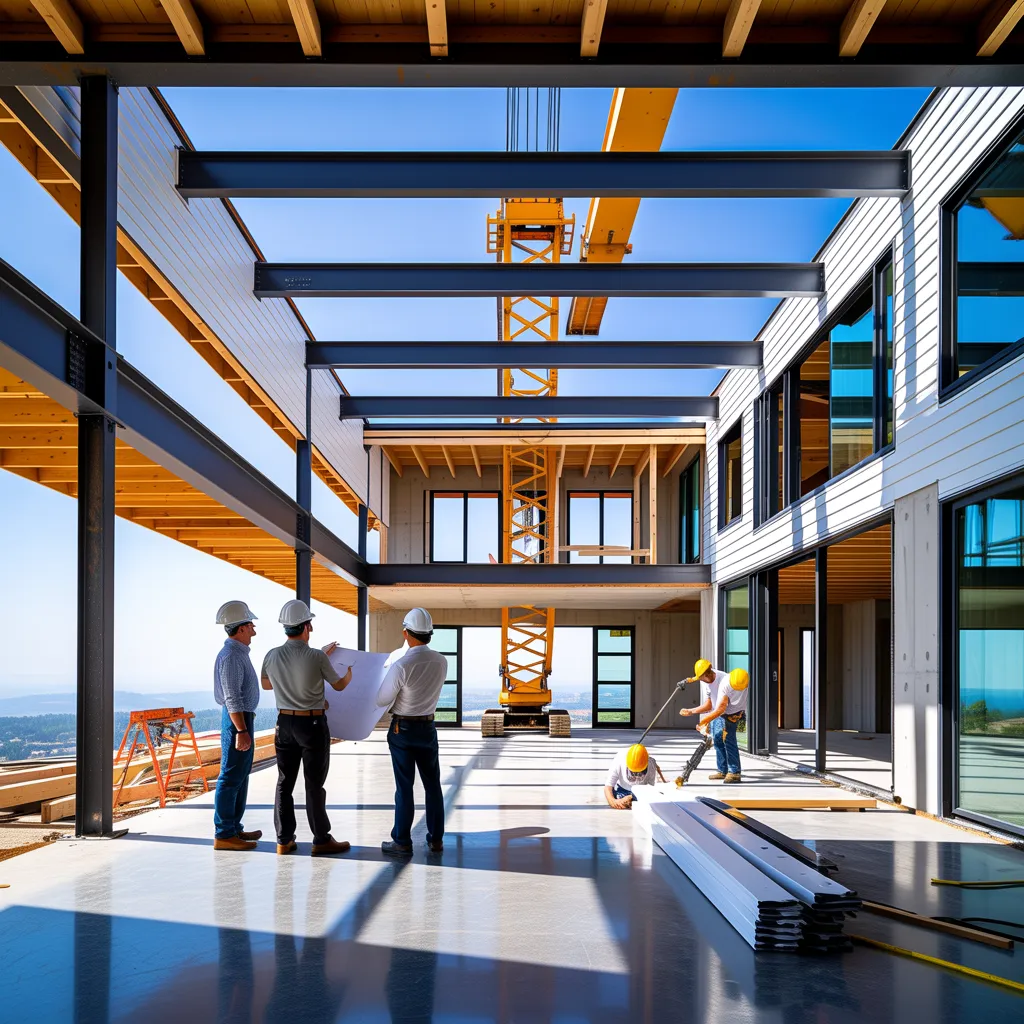
Usual Housing Design Struggles and Methods Architects Deliver Help
What makes home design so tough for countless homeowners? The complexity of combining personal design preferences with functional requirements often exhausts them. Homeowners commonly struggle with room constraints, financial constraints, and regulatory standards, complicating harder. Additionally, many lack the technical knowledge needed to address building considerations and building codes.
Architects fulfill an indispensable role in learn now alleviating these challenges. Their instruction prepares them to work through the complexities of design, ensuring that a homeowner's vision aligns with practical facts. Architects can present creative solutions to optimize space while adhering to safety standards. They also assist in creating integrated designs that reflect the occupant's style. By offering insights into substances and construction techniques, architects help streamline the selection activity. Ultimately, their expertise converts a seemingly daunting project into a collaborative undertaking, fostering a harmonious balance between imagination and practicality in residential planning.
Reasons to Team Up With a Professional Architect
Engaging a qualified expert strengthens the residential design journey by blending expert knowledge with the homeowner's vision. Architects deliver a rich background in design methodologies, construction codes, and sustainable techniques, guaranteeing that the endeavor not only fulfills visual objectives but also adheres to legal requirements. Their capacity for envisioning and communicate intricate thoughts aids rendering abstract concepts into physical designs.
Moreover, architects can deliver forward-thinking solutions to layout obstacles, refining usability and arrangement. They also oversee the complications of the building process, liaising with contractors and suppliers to maintain finances and schedules are adhered to. This skilled oversight decreases mistakes and lessens the stress tied to home remodeling or construction. Ultimately, engaging with an architect produces a cohesive, well-crafted space that embodies the homeowner's essence while boosting overall property value.
What Make Up the Fundamental Elements in the Construction Design Process?
How does the architectural process develop from initial idea to finish? The journey starts with an first meeting, where the architect and customer talk about objectives, needs, and financial plan. This stage is essential for establishing a clear vision. Next, the architect performs location evaluation, assessing factors like topography, climate, and building codes.
Subsequently, the design phase gets started. At this stage, visual sketches and computer models are fashioned, enabling the client to visualize the project. Once the design is established, the architect drafts extensive construction specifications, containing specifications and drawings.
Once required permits are secured, the project moves into the building stage. The architect often works with contractors to guarantee that the design is executed correctly. Frequent site visits and evaluations help maintain standards and adherence to the initial vision. Finally, the project concludes in a inspection, confirming that the finished structure satisfies the client's requirements before the official handover.
How Do You Find the Perfect Architect for Your Home?
Discovering the suitable architect for your home requires careful thought and study. Prospective homeowners should start by clarifying their specific desires and budget, which will direct their search. Recommendations from peers, relatives, or property specialists can supply helpful opportunities. Web-based galleries and ratings help with examining an designer's previous accomplishments and customer happiness.
Next, potential clients should engage multiple candidates to measure their communication style, expertise, and approach to design. It's essential to discuss timelines and project expectations to guarantee mutual understanding. Additionally, verifying qualifications and verifying relevant licenses and certifications can prevent future complications.
Finally, homeowners should trust their gut feelings. The perfect architect should not only have the necessary skills but also align with the homeowner's goals and values. This collaboration fosters a collaborative environment, eventually resulting in a successful partnership in creating a ideal residence.
Strategies for Conveying Your Objectives Clearly
Communicating a vision for home design proficiently is essential for a productive partnership between homeowners and architects. To realize this, property owners should start by clearly defining their needs and preferences. Producing a visual collection with graphics, colors, and materials can support transmitting aesthetic goals. Additionally, outlining functional criteria, such as space allocation and layout, guarantees that the architect understands operational aspects.
Property owners should also engage in open dialogue, promoting questions and feedback to refine their vision. Frequent meetings during the planning phase foster teamwork and openness. Using straightforward language to express ideas and concerns can avert misunderstandings and help match expectations.
Finally, being receptive to the architect's expertise allows for a more dynamic exchange of ideas. By combining personal vision with professional insight, homeowners can foster a productive partnership that leads to a beautifully designed space showcasing their aspirations.
Guide to Controlling expenses for Architecture Services
While beginning a home design project, setting a budget for architecture services is crucial to avoid monetary hardship later. Homeowners should begin by investigating typical fees in their area, which can vary based on the project's complexity and the architect's experience. It is advisable to allocate a percentage of the overall project cost specifically for architectural services, typically ranging from 5% to 15%.
Next, prospective customers should review the scope of services demanded—whether they require full design and project oversight or only initial consultations. Engaging in candid discussions with prospective architects regarding their cost arrangements can bring clarity on pricing.
Additionally, homeowners should consider unexpected expenses and potential revisions, creating a buffer in the budget. By clearly defining their monetary limits upfront, clients can verify they choose an architect who aligns with their vision while adhering to their financial limits.
Frequently Inquired Questions
What Choices of Structural Style Can I Opt for My Home?
Homeowners can choose from multiple architectural styles, such as modern, traditional, colonial, Mediterranean, and contemporary. Each style provides distinctive aesthetics and functionality, enabling individuals to express personal taste while taking into account regional influences and environmental factors.
What Timeframe Does the Building Design Process Usually Demand?
The design undertaking typically requires several months, based on project complexity, design approvals, and local regulations. Elements such as client direction and work schedules can also affect the schedule significantly during the entire process.
Can Architects Aid With Green Design Alternatives?
Architects can certainly help sustainable design options. They integrate eco-friendly materials, energy-efficient systems, and creative floor plans, guaranteeing projects reduce environmental impact while maximizing functionality and aesthetic appeal, aligning with clients' sustainability goals successfully.
Which Requirements Would I Find in an Architect?
When appointing an architect, one should factor in their formal training, licensure, experience in relevant projects, portfolio showcasing design style, and comprehension of local architectural guidelines. Communication skills and client testimonials also play key roles in the selection decision.
In What Ways Do Design Experts Deal With Zoning and Permit Matters?
Architects handle regulatory challenges by performing comprehensive analysis on local regulations, preparing necessary documentation, and communicating to municipal authorities. Their expertise ensures compliance, expediting the permitting timeline for client projects efficiently.